Marketing Automation: Your 2025 Business Superpower
- Saarthak Stark
- Nov 22, 2025
- 5 min read

Updated: Dec 19, 2025
In simple terms, marketing automation is like giving your marketing team (even if that team is just you) a super-smart assistant who never sleeps, never forgets a follow-up, and knows exactly what each customer wants – often before they do.
Maybe it was a pair of running shoes from a popular sports brand. The next day, you got an email saying “Don’t forget to grab those socks that go perfectly with your new shoes!” That wasn’t a coincidence. That was marketing automation working behind the scenes.
And here’s the best part: this isn’t just for giant corporations anymore. Today, small and medium-sized businesses across America are using these tools to compete with the big players – and often winning.

Why Marketing Automation Is Exploding Across the USA Right Now
Let’s be real – Americans are busy. We work hard, we shop fast, and we expect businesses to keep up. According to recent studies, the average American checks their phone 144 times a day and receives over 100 emails. Your message has about 2 seconds to grab attention before it’s gone forever.
That’s where automation comes in.
Instead of manually sending emails, posting on social media, or trying to remember who downloaded your free guide last week, smart software does it all for you – and does it better.
Here are some eye-opening numbers that show why businesses from New York to Los Angeles are jumping on board:
Companies using marketing automation see up to 451% increase in qualified leads
Automated email campaigns get 119% higher click rates than regular emails
These aren’t just random stats. These are real results from American companies just like yours.

How Marketing Automation Actually Works (Explained Like You’re Talking to Your Neighbor)
Imagine you own a coffee shop in Chicago. Someone signs up for your email list to get a free coffee on their birthday.
Old way: You write their name on a sticky note and hope you remember to send something when their birthday comes around.
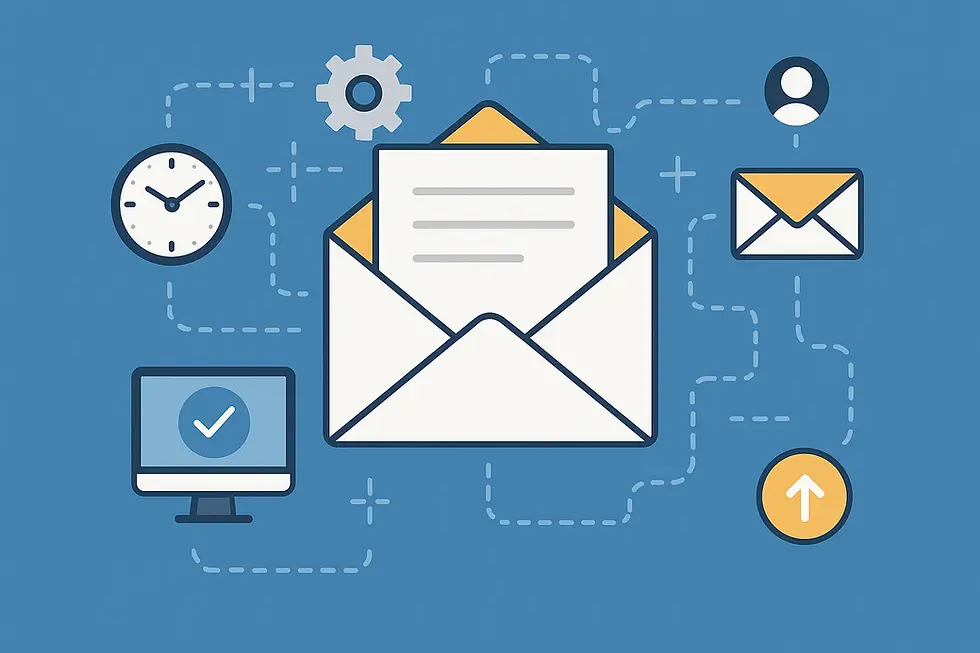
New way: The moment they sign up, your marketing automation platform automatically:
Sends them a welcome email with a digital punch card
Adds them to your “loyal customer” list
Texts them a special offer if they haven’t visited in 30 days
Wishes them happy birthday with a free drink coupon – on the exact day
Asks them 3 days later how their visit was

All without you lifting a finger.
That’s the magic.
The Top 8 Ways Marketing Automation Helps American Businesses Win

Email Marketing on Steroids
You’re not just sending emails – you’re sending the right email to the right person at the right time. Someone abandons their cart? Automatic reminder. Someone buys something? Automatic thank-you with related products. Someone hasn’t opened emails in 60 days?
Never Let a Lead Slip Through the Cracks
When someone fills out your contact form at 2 AM on a Sunday, they get an instant response. By Monday morning, your sales team already has a warm lead with full history of what pages they visited on your site.

Social Media That Runs Itself
Schedule months of posts in advance. Automatically share your new blog posts. Even reply to common questions using smart chatbots.
Personalized Website Experiences
Ever notice how Amazon shows you products based on what you’ve looked at before? You can do the same thing. Returning visitors see special offers. First-time visitors from Texas see content about shipping to Texas. It’s all automatic.
SMS and Text Message Marketing
Americans check text messages way more than emails. Smart businesses are sending order updates, appointment reminders, and flash sale alerts directly to phones – all automated.
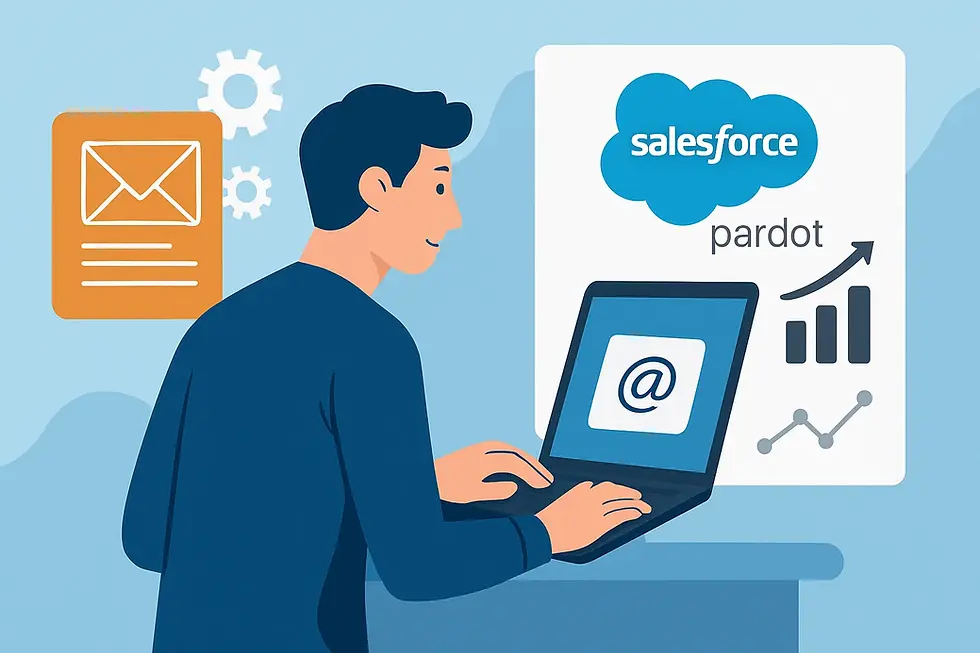
Customer Segmentation Made Simple
Automatically group your customers by behavior: VIPs who spend over $500, one-time buyers, people who only open emails about sales, etc. Then send each group exactly what they want.
Smart Lead Scoring
The system watches how people interact with your content and scores them automatically. Someone who watches your entire product video and downloads your pricing guide? Hot lead. Someone who visited once and left? Needs nurturing.

Real American Success Stories
Sarah runs a boutique fitness studio in Atlanta. Before automation, she spent 20 hours a week managing her email list and social media. After switching to automation tools, she cut that time to just 2 hours – and doubled her membership sign-ups.
Mike owns an online store selling outdoor gear based in Colorado. He used to send the same generic emails to everyone. After implementing automation, he created journeys based on what people actually bought. Result? 380% increase in repeat purchases.
Jennifer is a real estate agent in Florida. She now has a system that automatically follows up with leads for 12 months – sending market updates, new listings, and check-ins. Her closing rate went from 8% to 27%.
These aren’t exceptions. These are normal American business owners using tools that are available to everyone.
Getting Started: What You Need to Know
The great news? You don’t need to be tech-savvy to get started. Most modern platforms are designed for regular business owners, not programmers.
Here’s what the most popular tools offer:
Drag-and-drop email builders (no coding needed)
Hundreds of pre-built templates
Simple automation workflows (if this happens → then do that)
Free trials (most are 14-30 days)
Excellent customer support based right here in the USA
The Cost vs. Reward Reality
Let’s talk money – because that’s what really matters.
Basic plans start around $20-50 per month for small lists. As you grow, costs go up – but so does your revenue. Many businesses report making their investment back within the first month.
Think about it this way: If automation helps you get just one extra customer per month, has it paid for itself?
For most American businesses, the answer is yes – many times over.
Common Myths Debunked
“It’s too complicated for my small business”
Today’s tools are easier to use than Microsoft Word. Many have setup wizards that guide you step by step.
“It feels spammy”
Actually, the opposite. Because you’re sending relevant messages at the right time, people engage more. Automation done right feels personal, not pushy.
“I don’t have enough customers to justify it”
The best time to start is when you’re small. Building good habits early makes scaling so much easier.
“I’ll lose the personal touch”
Automation handles the repetitive stuff so you can focus on real human connections that matter.
What to Look for When Choosing a Platform
Not all tools are created equal. Here are the features American business owners say matter most:
Made for U.S. businesses (proper time zones, phone number support, compliance with American laws)
Easy phone and chat support (no waiting days for email responses)
Works with tools you already use (Shopify, WordPress, QuickBooks, etc.)
Strong deliverability (your emails actually reach the inbox)
Fair pricing that grows with your success
The Future Is Already Here
By 2026, experts predict that 70% of all customer interactions will involve some form of automation technology. The businesses that succeed won’t be the ones working harder – they’ll be the ones working smarter.
Your competitors are already making the switch. Some quietly implemented automation months ago and are now reaching customers more effectively while spending less time and money.
The question isn’t whether marketing automation is worth it.
The question is: Can you afford to wait any longer?

Your Next Steps (Simple Action Plan)
Make a list of all the marketing tasks you do repeatedly
Try a free trial of one of the major platforms (most take less than 15 minutes to set up)
Start with something simple – like a welcome email series for new subscribers
Watch what happens when you stop chasing customers and start attracting them automatically
Welcome to the future of American business. It’s more exciting, more profitable, and way less stressful than you think.
The tools are ready. Your customers are waiting.
You’ve got this. And now, you don’t have to do it all alone anymore.


Comments